The role of investors in the slow fashion transition
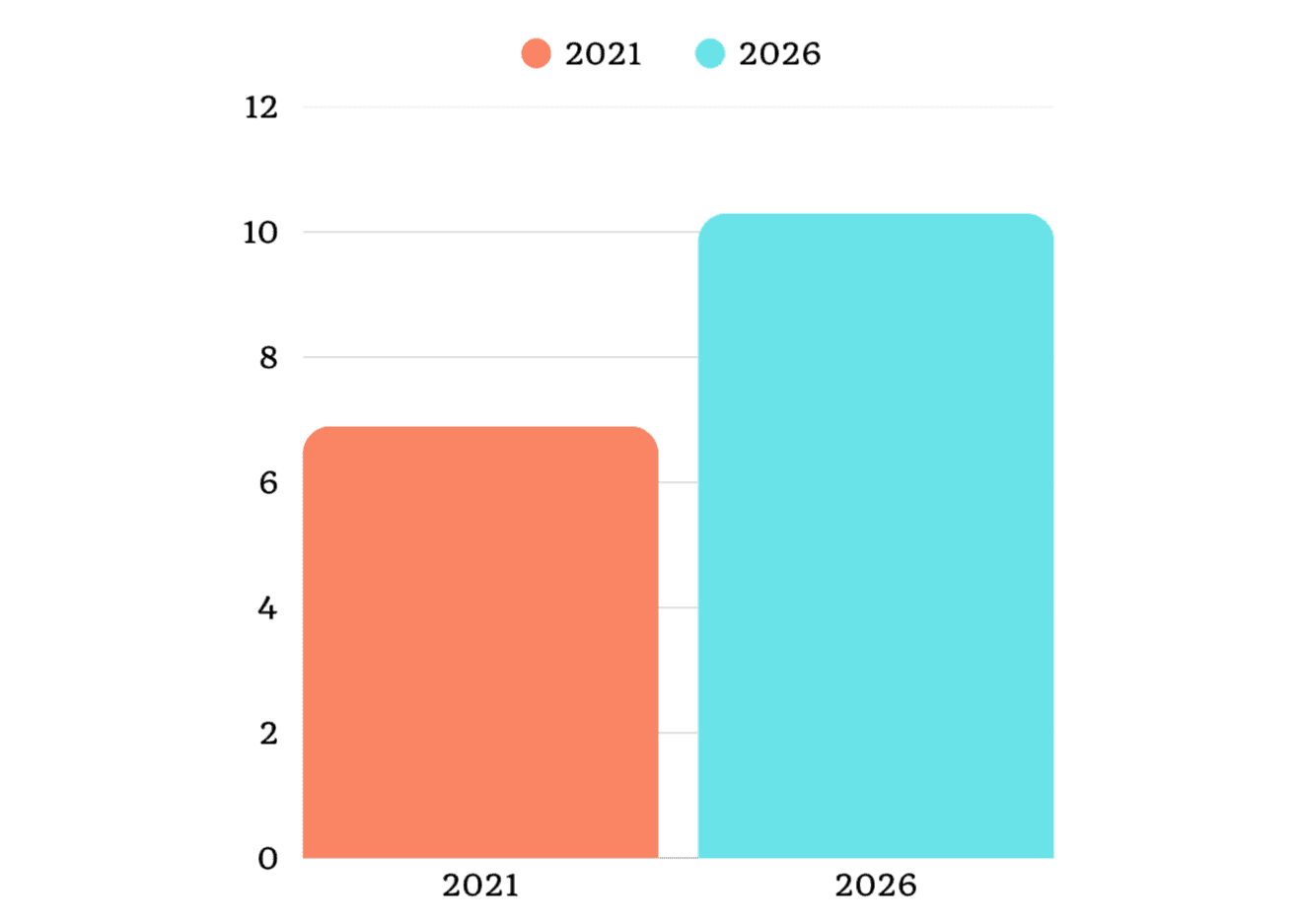
In 2026, investors serve as the primary financial and strategic backbone for the slow fashion movement, shifting the industry from volume-driven "fast fashion" toward quality, longevity, and circularity. As the sustainable fashion market is projected to reach $10.3 billion in 2026, investors are increasingly rewarding companies that prioritize supply chain control and margin protection over constant discounting.
Investment Outlook for 2026
Key roles of investors in the slow fashion movement include:
- Capitalizing Circularity: Investing in repair, reuse, resale, and rental platforms to build a circular economy.
- Funding Innovation: Providing capital to startups and innovators developing sustainable textiles and low-carbon manufacturing solutions.
- Driving Accountability: Using ESG criteria to hold fashion companies accountable for their environmental impact and social responsibility, such as labor rights and worker safety.
- Enabling Scalability: Supporting the growth of sustainable brands to help them compete with, and eventually displace, fast-fashion companies.
- Risk Mitigation: Identifying and reducing risks related to climate change, resource scarcity, and reputational damage in fashion portfolios.
The growing demand for sustainability means these investments not only support ethical practices but also deliver long-term financial returns and market-share growth for companies that adapt.
The study from UNDP ' Human Rights Competitiveness A False Dilemma?’ reveals clear evidence of tangible financial benefits for companies that strengthen their human rights performance. These findings broaden the space where responsibility and performance go hand in hand. Progress on human rights can be interpreted as a strong signal of effective leadership and proactive risk management – hallmarks of a well-run organisation. The evidence should therefore encourage investors to integrate respect for human rights more explicitly into capital allocation decisions, reinforcing the case for prioritising companies that demonstrate responsible business conduct.
As part of the slow fashion movement, we would like to highlight the important role investors play in making the transition to slow fashion happen. For this reason, we call on all investors to hold fashion companies accountable for their environmental impact and human rights violations in the garment and textile sector.